


Advancements in T-ALL Risk Stratification: NGS-Based Classification Identifies High-Risk Subgroups
In a breakthrough study published in Blood, researchers have leveraged next-generation sequencing (NGS) to improve the risk stratification of T-cell acute lymphoblastic leukemia (T-ALL). This enhanced classification system offers a more precise way to predict patient outcomes and identify high-risk subgroups, potentially opening the door to more personalized treatment strategies.
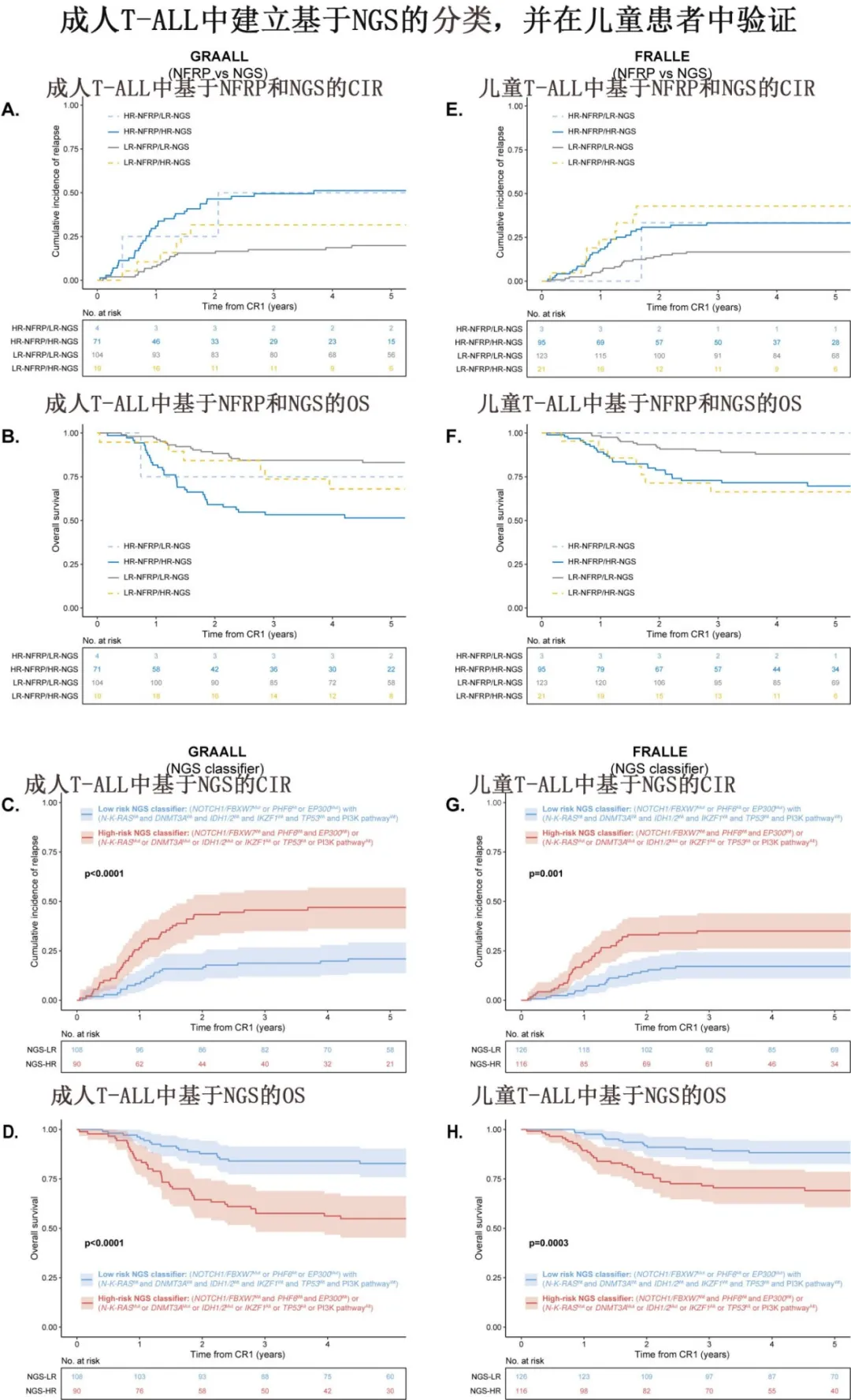
The study, which included 198 adult T-ALL patients from the GRAALL-2003/2005 trial and 242 pediatric T-ALL patients from the FRALLE2000T trial, utilized targeted whole-exome sequencing to examine 72 cancer-related genes. Among the findings, NOTCH1 mutations were the most prevalent in adults, present in 77% of cases, followed by CDKN2A mutations (66%) and PHF6 mutations (50%). This detailed genetic profiling enabled the researchers to classify patients into high-risk and low-risk categories, with significant implications for their prognosis.
A novel NGS-based classification system was developed, which demonstrated superior predictive capabilities for cumulative relapse rates, overall survival, and disease-free survival compared to previous methods. The study identified low-risk patients as those carrying specific mutations (e.g., NOTCH1/FBXW7, PHF6, EP300) without additional high-risk alterations (e.g., mutations in the PI3K pathway, TP53, and IDH1/2). These patients had a 5-year cumulative relapse rate (CIR) of 21%, while those in the high-risk category faced a much higher CIR of 47%.
Furthermore, integrating NGS findings with clinical factors such as white blood cell (WBC) count and minimal residual disease (MRD) levels led to a refined risk model that classified patients into three groups: high-risk, intermediate-risk, and low-risk. This model proved highly effective in distinguishing patients who could benefit from more aggressive treatments, particularly those with high-risk genetic profiles.
The study's findings underline the potential of NGS to refine prognosis predictions and improve treatment planning for both adult and pediatric T-ALL patients. By combining genetic insights with clinical data, clinicians can better identify patients who may benefit from emerging targeted therapies, such as PI3K inhibitors and selective IDH1/IDH2 inhibitors.
As the study paves the way for personalized treatment strategies, it also raises important questions about the applicability of this classification in different ethnic groups and with modern treatment regimens. While the NGS-based stratification holds promise, further research is needed to validate its effectiveness across diverse populations and to refine the approach for challenging cases, such as those with refractory T-ALL.